
Dipeptiven
Dipeptiven: Modern Nutritional Support for the Body
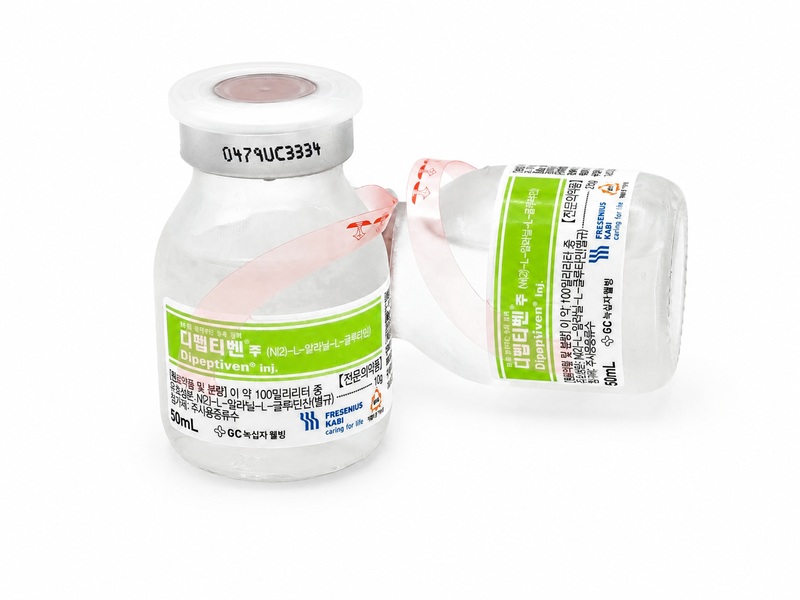
The human body has an amazing ability to adapt to stress and recover. However, during severe illnesses, major surgery, serious injuries, and other conditions accompanied by significant metabolic stress, the body's need for certain amino acids can increase considerably.
Dipeptiven® (Dipeptiven), 50 ml is a medicinal product from Fresenius Kabi intended for intravenous nutritional support.
One of the important components of such nutritional support is Dipeptiven® — a medicinal product based on the dipeptide L-alanyl-L-glutamine, intended for use as part of clinical nutrition.
This is not an ordinary vitamin infusion or a universal remedy for fatigue. Dipeptiven belongs to medicines used in medical nutritional therapy and is administered when additional glutamine supply is required under conditions of increased metabolic and catabolic stress.
What is Dipeptiven?
The active substance of the medicine is N(2)-L-alanyl-L-glutamine.
In the body, this dipeptide is broken down into two amino acids — alanine and glutamine. Each 1 ml of concentrate contains 200 mg of alanylglutamine, including 82 mg of L-alanine and 134.6 mg of L-glutamine.
The main feature of Dipeptiven is that glutamine is supplied to the body in the form of a stable dipeptide specifically designed for use in infusion-based nutritional therapy.
Why does the body need glutamine?
Glutamine is one of the most abundant amino acids in the human body. Under normal conditions, the body is capable of synthesizing it on its own.
However, during significant physical and metabolic stress, the body's demand for glutamine can increase substantially. This is why, in certain clinical situations, glutamine is considered a conditionally essential amino acid.
Glutamine is involved in:
- protein and nitrogen metabolism;
- meeting the metabolic needs of intestinal cells;
- immune system function;
- the synthesis of various biologically active compounds;
- the production of glutathione, one of the body's important intracellular antioxidants.
In severe catabolic conditions, the body can use its own protein reserves much more rapidly. Therefore, adequate nutritional support becomes an important part of comprehensive treatment.
When is Dipeptiven used?
The official indication for Dipeptiven is its use as part of clinical nutrition in patients with hypercatabolic and/or hypermetabolic conditions.
The medicine is used together with parenteral nutrition, enteral nutrition, or a combination of both.
Such conditions may occur, for example, following major surgical procedures, serious injuries, burns, and other severe conditions accompanied by significant metabolic stress. The need for Dipeptiven is determined individually by a physician.
How does Dipeptiven support the body?
After administration, alanylglutamine is broken down into alanine and glutamine.
The additional supply of glutamine as part of clinical nutrition helps support processes in which this amino acid is particularly important under conditions of increased metabolic demand.
According to the manufacturer's clinical materials, the potential effects of nutritional support with glutamine include maintaining the intestinal barrier, improving nitrogen balance, and reducing certain infectious complications in appropriate patient groups. However, these effects relate specifically to certain clinical situations and do not mean that Dipeptiven is necessary for every healthy person.
Dipeptiven is not an “energy IV drip”
In recent years, amino acid infusions have become associated with recovery, energy, and improved general well-being. However, Dipeptiven has a much more specific purpose.
It is a medicinal product for nutritional therapy, not a universal treatment for increasing performance or combating ordinary fatigue.
Therefore, the use of Dipeptiven should be based on the individual's clinical condition, nutritional status, presence of metabolic stress, and medical indications.
Can Dipeptiven be administered separately?
This is an important consideration.
Dipeptiven is supplied as a concentrate for preparation of an infusion solution and is not intended for direct administration. Before use, it must be mixed with a compatible solution as part of an appropriate nutritional therapy regimen.
Therefore, self-administration as a “single amino acid IV drip” does not correspond to the standard instructions for use.
The dosage and duration of treatment are determined by a healthcare professional. According to the manufacturer's official information, the duration of use in adults should not exceed three weeks.
Who should not use Dipeptiven?
Although the medicine is used as part of nutritional support, it has contraindications and limitations.
In particular, Dipeptiven should not be used in cases of severe renal or hepatic impairment, circulatory shock, hypoxia, multiple organ failure, or severe metabolic acidosis. Hypersensitivity to the active substances is also a contraindication.
For this reason, the patient's condition and relevant medical parameters must be assessed before treatment.
Dipeptiven vs. ordinary L-glutamine — what is the difference?
Although both are associated with glutamine, they are not the same thing.
L-glutamine is an amino acid that can be obtained from food or used in various oral nutritional products.
Dipeptiven is a medicinal concentrate for infusion use containing L-alanyl-L-glutamine and intended to be incorporated into a clinical nutrition program.
Therefore, comparing Dipeptiven with an ordinary dietary glutamine supplement is not appropriate.
Key facts about Dipeptiven
Dipeptiven is an example of how modern nutritional medicine can take into account the body's changing nutritional requirements during periods of severe metabolic stress.
Its purpose is not simply to “provide the body with amino acids,” but to supplement comprehensive nutritional support with glutamine in situations where the body's demand for it increases.
