
Chemical facial peel: How to choose?
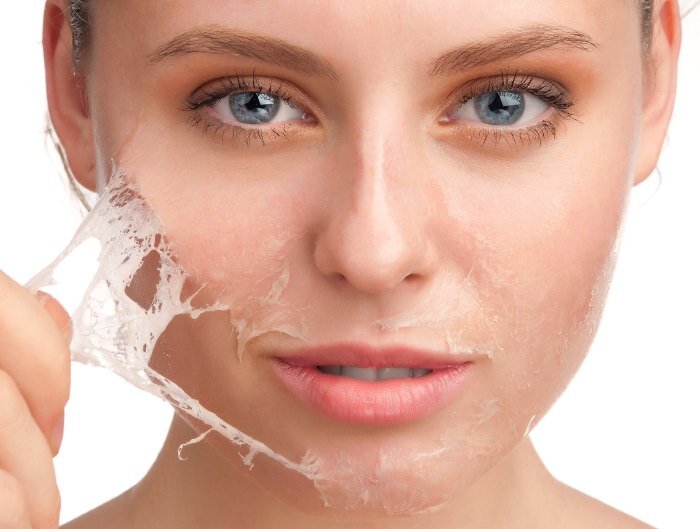
Chemical peeling – it is one of the most popular cosmetic procedures both in clinics and in home care. And according to The Aesthetic Society, it is the sixth most popular non-surgical treatment.
The term chemical peel broadly refers to chemical based treatments that rejuvenate the face and body and can treat many cosmetic concerns such as mild to moderate acne with/without superficial scarring, signs of photoaging, structural disorders (enlarged pores and rough skin), as well as areas of hyperpigmentation. The general mechanism behind many chemical peel formulations is to stimulate the skin in some way to induce healing, repair, or collagen synthesis.
The mechanism of action of the ingredients in a chemical peel can influence the depth and goals that we want to achieve from this procedure. Formulations range from the concept of "lunch break peel", which refers to formulations that activate chemical exfoliation and immediate brightening without peeling, to formulations that penetrate deeper tissue layers to stimulate enhanced anti-aging effect.
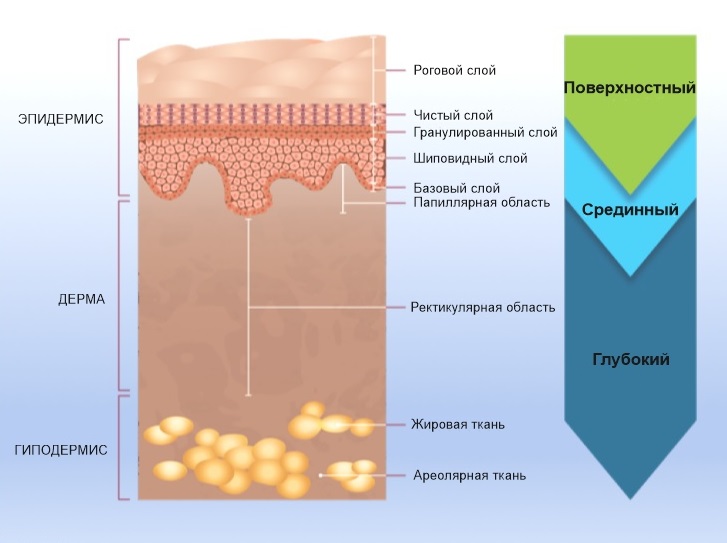
The choice of chemical peel may depend on the preferences of the esthetician and the patient, as well as on individual professional competence. Also, when choosing a peel, attention is paid to the nature and concentration of the exfoliating agent, the number of applications, the time of contact with the skin and the varying degree of desquamation.
While there is no official or generally accepted classification for the vast number of different brands of chemical peels available, it is generally accepted that peels can be classified by their depth and therefore by their mode of action.
Clinical indications
Many of the formulations available are unique, and practitioners should be aware of the manufacturer's recommendations for individual brands. This is especially true for indications for use, acclimatization of the skin before the procedure, the procedure and post-procedure care. Photos and clinical documentation at every visit to the beautician, before and after the procedure are key, especially for peeling courses where gradual results are expected over several months. A detailed written history, including a cosmetic history of procedures, indicating any allergies and a thorough phototype assessment, depending on the type of peel to be performed, is key, as is the requirement for any prophylactic antivirals.
It is widely accepted in the literature that additional at-home care between each peel (if given as a course) and as part of long-term care is essential to achieve the best possible results, as well as strict adherence to daily sun protection.
